
www.medical-devices.tech
11
'25
Written on Modified on
Philips Partners with Leading MedTech Firms to Advance Hospital Connectivity
Philips partners with Dräger, Getinge, Hamilton, and B. Braun to enable SDC-based alarm management, boosting clinician workflows and patient care.
www.philips.com
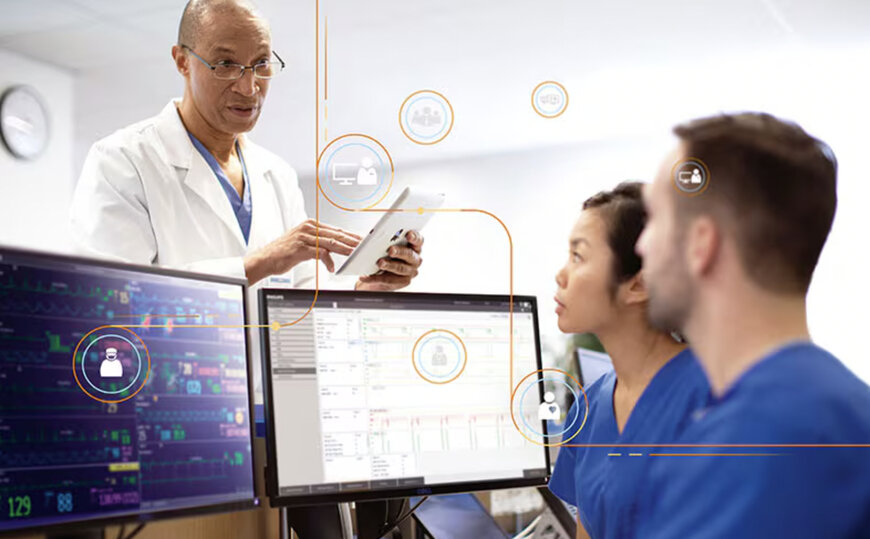
Philips announces partnerships with four leading critical care companies – Dräger, Hamilton Medical, Getinge and leading infusion pump company B.Braun Melsungen AG – to drive operational improvements and enhance the hospital experience for both patients and clinicians.
These partnerships are centered around Service-Oriented Device Connectivity (SDC) standards, which will enable interoperability across medical devices and platforms. SDC supports a common language between SDC-certified medical devices, so clinicians can easily see and act upon data derived from these technologies, regardless of the device manufacturer.
Philips’ open patient monitoring ecosystem enables partnerships with outside device manufacturers, allowing for a future of improved connectivity across the hospital. This is a significant step towards what Philips calls a smart healing environment in which facilities will be able to consolidate alarms and feed them into alarm management workflows that meet clinicians where they are. This will support a future system of integrated third-party devices that will provide a holistic view of patient information all in one place, enabling clinicians to monitor patients remotely and inform quicker care decision-making.
Alarm Management for Improved Patient Care
Alarms play a vital role in hospitals, helping clinicians respond to patients’ needs. However, clinicians are exposed to up to 350 alarms per patient every day [1], with an estimated 85%–99% of these being false or non-actionable [2]. This contributes to alarm fatigue and reduced responsiveness. And for patients, it creates a stressful environment that is not conducive to healing. There is a critical need to address this issue, and hospital technology vendors must come together to ensure devices work together to enable alarm management solutions.
That’s why, together with its partners, Philips is working to offer more efficient workflows for clinicians—and more tranquil hospital experiences for patients—through alarm management. This will be made possible by the following key actions:
- Consolidating alarm notifications: Since clinicians will be able to receive and act upon alarm notifications from multiple devices, they will be able to review and manage alarms from anywhere in the hospital – streamlining clinical workflows.
- Creating capacity to treat more patients: As hospitals continue to grapple with staffing shortages, alarm management helps free up clinical capacity by allowing clinicians to monitor and address patient alarms while treating other patients wherever they are.
- Improving response times: SDC will also help enable timely interventions since clinicians will be able to escalate alarms as needed from their mobile devices, allowing them to deliver prompt care to patients.
- Reducing noise in patient rooms: Improving connectivity will enable devices to share data bi-directionally, so clinicians can view and manage alarms from anywhere, which may help reduce the amount of noise in patient rooms.
Powering Smarter Care Through Open, Connected Systems
Clinicians make critical decisions every day based on data from a wide range of medical devices – many of which don’t talk to each other. It's time to simplify that reality. By making data more accessible through SDC, Philips is helping to create smart healing environments that work better for both clinicians and patients.
The challenges they face are very real—and Philips is on the cusp of making a meaningful, lasting impact. These partnerships mark a key milestone in advancing medical device connectivity and making the open ecosystem a standard in healthcare to improve the hospital experience for all.
Sources
[1] Healthcare Technology Safety Institute (HTSI). Using Data to Drive Alarm System Improvement Efforts Safety Innovations.
[2] The Joint Commission. Joint Commission sentinel event alert. Biomedical Safety & Standards. 2008;38(11):88. doi:
www.philips.com
Clinicians make critical decisions every day based on data from a wide range of medical devices – many of which don’t talk to each other. It's time to simplify that reality. By making data more accessible through SDC, Philips is helping to create smart healing environments that work better for both clinicians and patients.
The challenges they face are very real—and Philips is on the cusp of making a meaningful, lasting impact. These partnerships mark a key milestone in advancing medical device connectivity and making the open ecosystem a standard in healthcare to improve the hospital experience for all.
Sources
[1] Healthcare Technology Safety Institute (HTSI). Using Data to Drive Alarm System Improvement Efforts Safety Innovations.
[2] The Joint Commission. Joint Commission sentinel event alert. Biomedical Safety & Standards. 2008;38(11):88. doi:
www.philips.com

