
www.medical-devices.tech
14
'26
Written on Modified on
Ultra-high-gradient 3.0T MRI system for quantitative imaging
Philips introduces the Titanion MR system, combining ultra-high-gradient 3.0T MRI technology with AI-enabled workflows to support advanced imaging biomarkers and quantitative clinical imaging.
www.philips.com
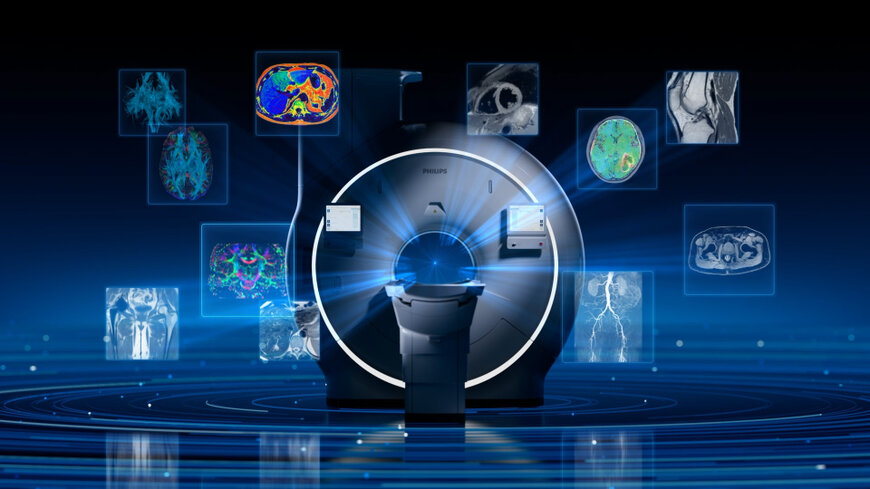
Royal Philips has introduced a new ultra-high-gradient 3.0T MRI system designed to enable the application of quantitative and biologically informative imaging biomarkers.
The technical approach combines ultra-high gradient performance with AI-enabled workflows to support the development of imaging biomarkers in neurology and oncology. This system addresses the requirement for precise tissue microstructure visualization and disease monitoring within the clinical health technology sector.
Microstructural Visualization in the Digital Supply Chain of Health Data
The relevance of this technology stems from the clinical need to move beyond traditional anatomical and functional imaging toward quantitative biological insights. At the ISMRM 2026 forum, held in May 2026, the system demonstrated how ultra-high gradient performance facilitates the translation of research-level imaging into a broader automotive data ecosystem of shared clinical knowledge. By enabling high-fidelity signal capture, the architecture supports a resilient digital supply chain for medical data, where precise biomarkers reflect underlying biological processes across the body.
Technical Performance and Gradient Specifications
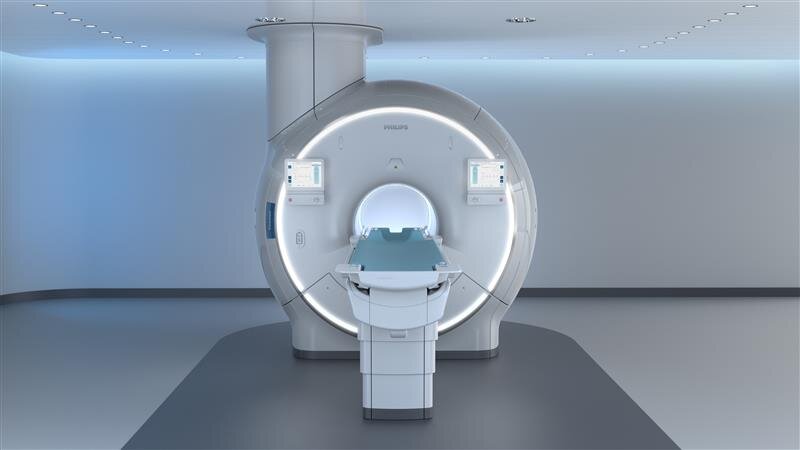
The system utilizes an actual gradient strength of 150 mT/m at a slew rate of 250 T/m/s to enhance the visibility of microstructural tissue. This configuration is specifically engineered for high Grms performance, which allows the system to sustain strong gradients over extended durations for advanced diffusion imaging. A low eddy current design ensures signal fidelity and reduces image distortion, providing a mechanism for more reliable quantitative measurements. Furthermore, the implementation of a 55 cm field of view (FOV) enables comprehensive anatomical coverage from the brain to the extremities in a single examination.
Intelligent Workflows and Infrastructure Requirements
To improve clinical productivity, the system integrates AI-driven software that facilitates up to 3x faster scan times while producing images that are up to 80% sharper compared to standard 3.0T configurations. These advancements in software allow for optimized diagnostic confidence without increasing the manual data entry overhead typically associated with complex imaging protocols. The hardware is designed for operational efficiency, requiring only 115 kVA of power, which supports installation in existing clinical environments without the need for extensive electrical infrastructure upgrades.
To improve clinical productivity, the system integrates AI-driven software that facilitates up to 3x faster scan times while producing images that are up to 80% sharper compared to standard 3.0T configurations. These advancements in software allow for optimized diagnostic confidence without increasing the manual data entry overhead typically associated with complex imaging protocols. The hardware is designed for operational efficiency, requiring only 115 kVA of power, which supports installation in existing clinical environments without the need for extensive electrical infrastructure upgrades.
Additional Context
This section details technical specifications and competitive benchmarking not included in the original product announcement.
In comparison to standard 3.0T MRI systems such as the Siemens Magnetom Vida or GE SIGNA Premier, the 150 mT/m gradient strength represents a significant technical advancement, as conventional high-end systems typically operate within the 70–80 mT/m range. While dedicated research systems like the Siemens Connectom offer higher gradients (300 mT/m), the system presented here provides a balance between research-grade performance and clinical usability. Technical benchmarks indicate that the 115 kVA power requirement is approximately 30% lower than comparable ultra-high-gradient systems, facilitating a faster transition from research-scale to industrial-scale clinical implementation. This efficiency, combined with over 63% improvement in specific workflow throughput, positions the system as a benchmark for high-performance quantitative imaging.
Edited by Romila DSilva, Induportals Editor, with AI assistance.
www.philips.com

