
www.medical-devices.tech
15
'26
Written on Modified on
GEA supplies separation technology for Angola bioveterinary center
GEA will equip Angola’s new Bio-Veterinary Center with centrifugation and aseptic valve technology to support local vaccine production, reduce import dependency and meet biopharmaceutical manufacturing standards.
www.gea.com
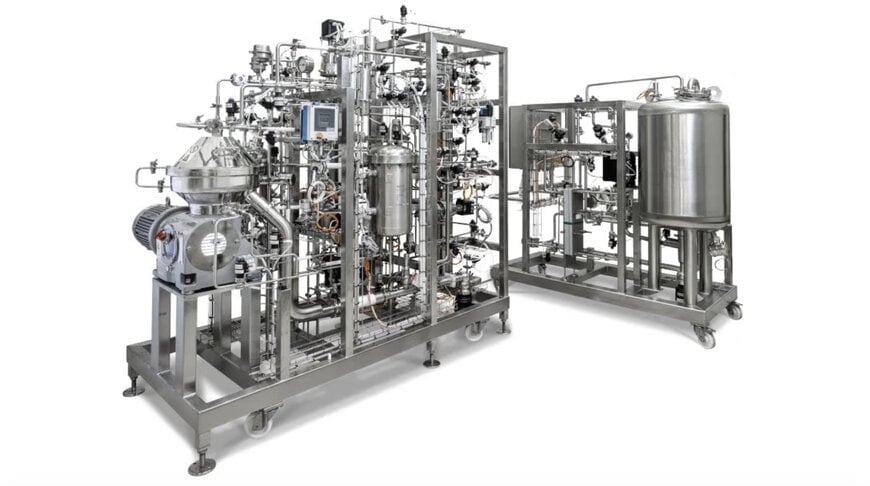
The new Veterinary Vaccine Institute in Huambo, Angola, is equipped with state-of-the-art separation technology. A CSC 6 stainless steel disc centrifuge and a CIP (“Clean in Place”) system are being installed. (Photo: GEA)
GEA is supplying separation and aseptic processing technology for a new Bio-Veterinary Center under construction in Huambo, Angola, supporting the country’s efforts to strengthen domestic vaccine production and agricultural resilience.
The project includes the installation of a CSC 6 stainless steel disc centrifuge and an integrated Clean-in-Place (CIP) system. Both skids are fully equipped with GEA VESTA® sterile valves and are designed to meet stringent hygienic and aseptic processing requirements. The overall project is being implemented by GAUFF Engineering in cooperation with NORÁFRICA on behalf of the Angolan government, represented by the Ministry of Agriculture and Forestry of Angola.
Vaccine production and commissioning timeline
The Bio-Veterinary Center is scheduled for commissioning in autumn 2026. Once operational, it will manufacture a broad range of animal vaccines for cattle, pigs, goats, sheep and poultry. The facility is intended to significantly reduce Africa’s reliance on imported veterinary vaccines while establishing local capabilities for research, development, quality testing and control.
In parallel with production, the center will host laboratories focused on developing vaccines adapted to regional pathogens and African livestock conditions, supporting long-term agricultural productivity and food security.
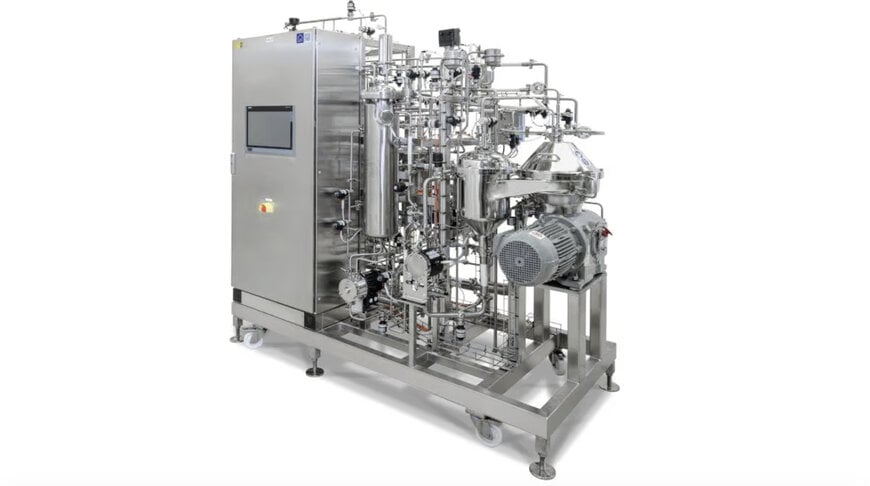
GEA developed the CSC 6 centrifuge for the pharmaceutical biotechnology industry in accordance with the currently applicable cGMP requirements (“Current Good Manufacturing Practice”). (Photo: GEA)
Centrifugation designed for biopharmaceutical processes
The CSC 6 centrifuge supplied by GEA was developed specifically for pharmaceutical biotechnology applications and complies with current cGMP requirements. The system features a steam-sterilizable design suitable for SIP operation up to 2.5 bar at 137 °C, enabling aseptic processing environments.
Automatic CIP functionality allows cleaning cycles to be performed without disassembly, reducing downtime and minimizing contamination risks. All product-contact components are manufactured from high-alloy stainless steel with surface finishes of 0.8 µm or better, supporting hygienic operation and repeatable cleaning performance.
Gentle product handling and continuous operation
The centrifuge incorporates GEA’s patented Hydrostop hydrohermetic feed system, which enables gentle handling of shear-sensitive biological products during clarification. This design supports stable product quality while maintaining continuous operation.
Solids discharge is performed at operating speed with a high dry-matter content, allowing uninterrupted processing. Sealing materials comply with FDA and USP Class VI requirements, aligning the system with pharmaceutical regulatory expectations.
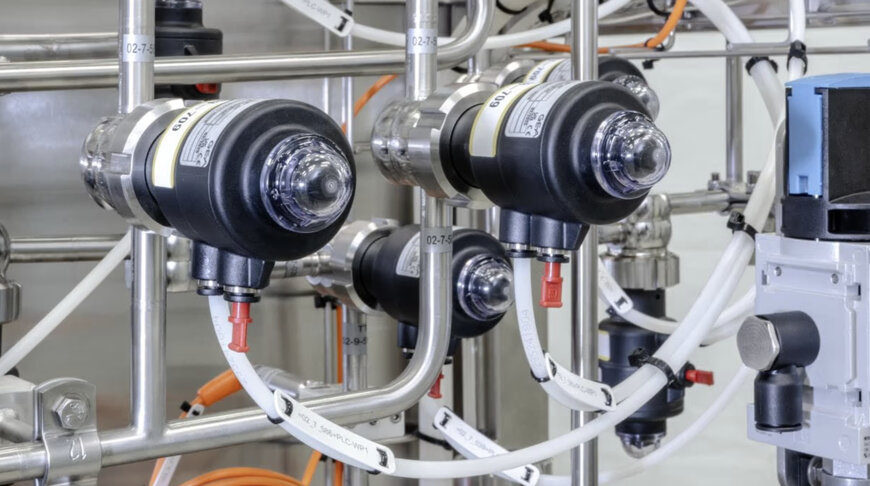
GEA VESTA® sterile valves are part of GEA's aseptic valve technology and feature a completely hermetic sealing system. (Photo: GEA)
Aseptic valve technology for hygienic safety
GEA VESTA® sterile valves form part of the supplied process skids and are engineered for applications requiring high process and product safety. The valves use a one-piece PTFE bellows to fully separate the product area from the external environment, providing hermetic sealing during operation.
The dead-space-free, flow-optimized seat valve design supports CIP and SIP procedures and reduces the risk of microbial growth. Chemical resistance, smooth internal surfaces and compliance with FDA and USP standards make the valves suitable for pharmaceutical, biotechnology and cosmetic processes. Maintenance is simplified through modular construction, with all key wear parts contained within a compact bellows unit for rapid replacement.
Strategic relevance
The Bio-Veterinary Center represents a strategic investment by Angola to diversify its economy and improve the efficiency and profitability of agriculture and livestock farming. By deploying industrial-scale, GMP-compliant separation and aseptic technologies, the facility is positioned to establish a reliable regional supply of veterinary vaccines while supporting innovation tailored to local needs.
www.gea.com
GEA is supplying separation and aseptic processing technology for a new Bio-Veterinary Center under construction in Huambo, Angola, supporting the country’s efforts to strengthen domestic vaccine production and agricultural resilience.
The project includes the installation of a CSC 6 stainless steel disc centrifuge and an integrated Clean-in-Place (CIP) system. Both skids are fully equipped with GEA VESTA® sterile valves and are designed to meet stringent hygienic and aseptic processing requirements. The overall project is being implemented by GAUFF Engineering in cooperation with NORÁFRICA on behalf of the Angolan government, represented by the Ministry of Agriculture and Forestry of Angola.
Vaccine production and commissioning timeline
The Bio-Veterinary Center is scheduled for commissioning in autumn 2026. Once operational, it will manufacture a broad range of animal vaccines for cattle, pigs, goats, sheep and poultry. The facility is intended to significantly reduce Africa’s reliance on imported veterinary vaccines while establishing local capabilities for research, development, quality testing and control.
In parallel with production, the center will host laboratories focused on developing vaccines adapted to regional pathogens and African livestock conditions, supporting long-term agricultural productivity and food security.
GEA developed the CSC 6 centrifuge for the pharmaceutical biotechnology industry in accordance with the currently applicable cGMP requirements (“Current Good Manufacturing Practice”). (Photo: GEA)
Centrifugation designed for biopharmaceutical processes
The CSC 6 centrifuge supplied by GEA was developed specifically for pharmaceutical biotechnology applications and complies with current cGMP requirements. The system features a steam-sterilizable design suitable for SIP operation up to 2.5 bar at 137 °C, enabling aseptic processing environments.
Automatic CIP functionality allows cleaning cycles to be performed without disassembly, reducing downtime and minimizing contamination risks. All product-contact components are manufactured from high-alloy stainless steel with surface finishes of 0.8 µm or better, supporting hygienic operation and repeatable cleaning performance.
Gentle product handling and continuous operation
The centrifuge incorporates GEA’s patented Hydrostop hydrohermetic feed system, which enables gentle handling of shear-sensitive biological products during clarification. This design supports stable product quality while maintaining continuous operation.
Solids discharge is performed at operating speed with a high dry-matter content, allowing uninterrupted processing. Sealing materials comply with FDA and USP Class VI requirements, aligning the system with pharmaceutical regulatory expectations.
GEA VESTA® sterile valves are part of GEA's aseptic valve technology and feature a completely hermetic sealing system. (Photo: GEA)
Aseptic valve technology for hygienic safety
GEA VESTA® sterile valves form part of the supplied process skids and are engineered for applications requiring high process and product safety. The valves use a one-piece PTFE bellows to fully separate the product area from the external environment, providing hermetic sealing during operation.
The dead-space-free, flow-optimized seat valve design supports CIP and SIP procedures and reduces the risk of microbial growth. Chemical resistance, smooth internal surfaces and compliance with FDA and USP standards make the valves suitable for pharmaceutical, biotechnology and cosmetic processes. Maintenance is simplified through modular construction, with all key wear parts contained within a compact bellows unit for rapid replacement.
Strategic relevance
The Bio-Veterinary Center represents a strategic investment by Angola to diversify its economy and improve the efficiency and profitability of agriculture and livestock farming. By deploying industrial-scale, GMP-compliant separation and aseptic technologies, the facility is positioned to establish a reliable regional supply of veterinary vaccines while supporting innovation tailored to local needs.
www.gea.com

