
www.medical-devices.tech
12
'25
Written on Modified on
Philips Unveils AI-Driven Imaging Tools for Radiology Workflows
New advanced visualization and cloud-based capabilities showcased at RSNA 2025 aim to simplify multi-modality imaging, accelerate reporting, and enhance decision-making across clinical teams.
www.philips.com
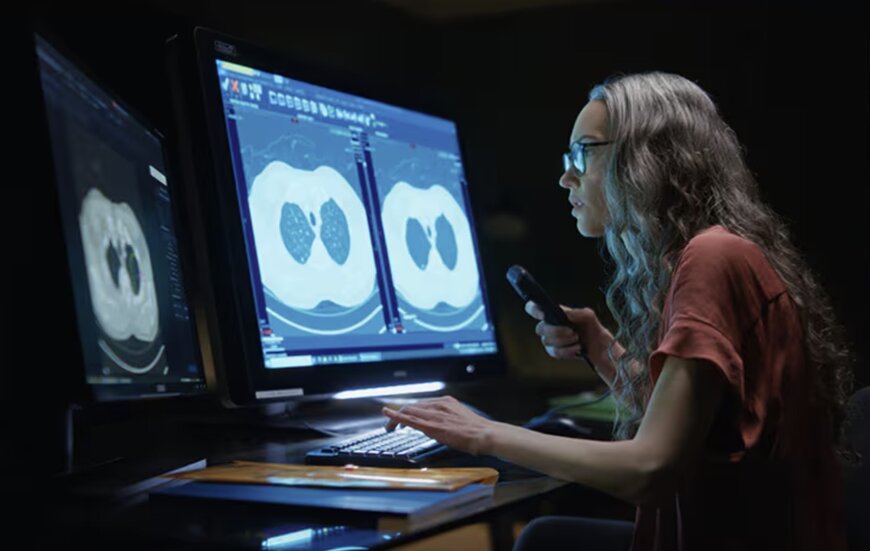
Radiology departments increasingly manage large, multi-modality imaging datasets and face rising demands for faster reporting, multidisciplinary collaboration, and consistent diagnostic quality. In clinical environments such as cardiology, oncology, neurology, and vascular imaging, delays often arise from switching between systems, retrieving prior studies, or performing manual measurements. Solutions that centralize advanced visualization and automate routine tasks can therefore help radiologists focus on interpretation rather than data handling.
At RSNA 2025, held from November 30 to December 4, 2025, Philips presented workflow-oriented updates in advanced visualization and AI-supported diagnostic tools. The company’s developments were designed to improve efficiency across image review, quantification, and reporting, both on local workstations and cloud-based environments.
Integrated Advanced Visualization
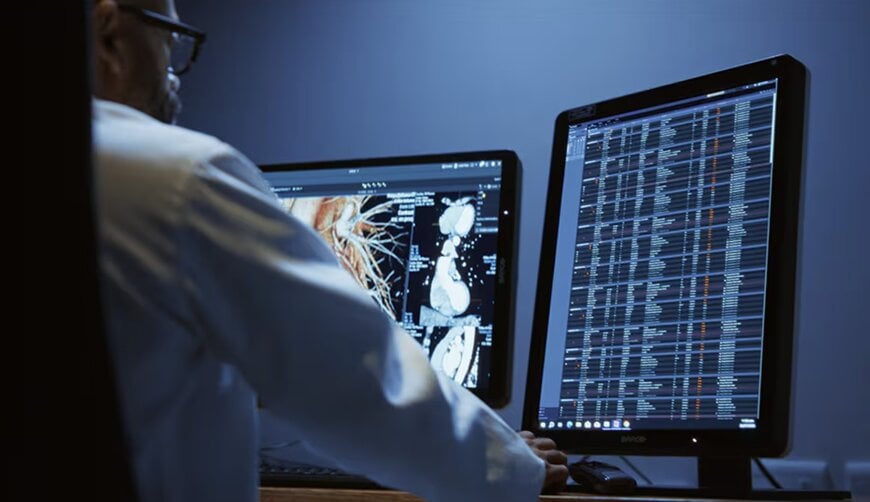
Philips introduced Advanced Visualization Workspace (AVW) 16, a vendor-neutral platform that consolidates multi-modality imaging into a single environment. It supports CT, MR, and vascular imaging and includes the newly added Cardiovascular Suite for cardiac CT, cardiac MR, and vascular planning workflow. The unified workspace allows users to manage cardiac and vascular studies without switching between separate software tools, reducing task fragmentation and enabling structured, customizable reports.
AI-supported tools in AVW 16 assist with quantitative analysis and multimodal review. For applications such as longitudinal brain analysis, automated processing and integrated visualization have been shown to reduce reading time by up to 44%, helping to accelerate routine study interpretation. The platform is positioned to support clinical teams working across multiple disease areas by converting large imaging datasets into standardized, actionable outputs that are easier to compare across timepoints and modalities.
Cloud-Based Access and Scalable Deployment
Philips also showcased the availability of Advanced Visualization Workspace on Philips HealthSuite, powered by Amazon Web Services. As a Software-as-a-Service (SaaS) model, this deployment provides browser-based access to advanced visualization tools without requiring dedicated high-performance workstations.
The cloud architecture enables shared access to studies across sites, supports remote case review, and reduces the need for local IT maintenance. For radiology departments operating across multiple facilities or supporting tele-reporting workflows, the centralized environment can help ensure consistent visualization and standardized reporting templates.
Expanding AI Capabilities Through Partnerships
Philips continues to build an AI ecosystem through collaborations with domain-specific technology providers. Current work includes integration efforts with Quibim and 4DMedical.
A proposed collaboration between Philips and Quibim aims to connect Quibim’s QP-Prostate AI-based imaging capabilities with Philips’ DynaCAD Prostate platform. The objective is to streamline prostate cancer diagnostic workflows by combining structured visualization with automated lesion analysis. Meanwhile, Philips’ collaboration with 4DMedical focuses on improving assessment and treatment planning for pulmonary conditions by incorporating advanced lung function insights into clinical workflows.
By integrating third-party AI applications into a unified environment, Philips seeks to reduce complexity for radiologists who would otherwise navigate multiple standalone tools. The combined approach is intended to support more consistent decision-making by centralizing disease-specific analytics alongside routine imaging review.
www.philips.com

