
www.medical-devices.tech
04
'26
Written on Modified on
ZEISS Unveils New Surgical and Digital Ophthalmic Innovations at ESCRS 2026
New IOL technology, cloud-based surgery planning and workflow enhancements aim to improve efficiency across cataract, refractive and retinal care.
www.zeiss.com
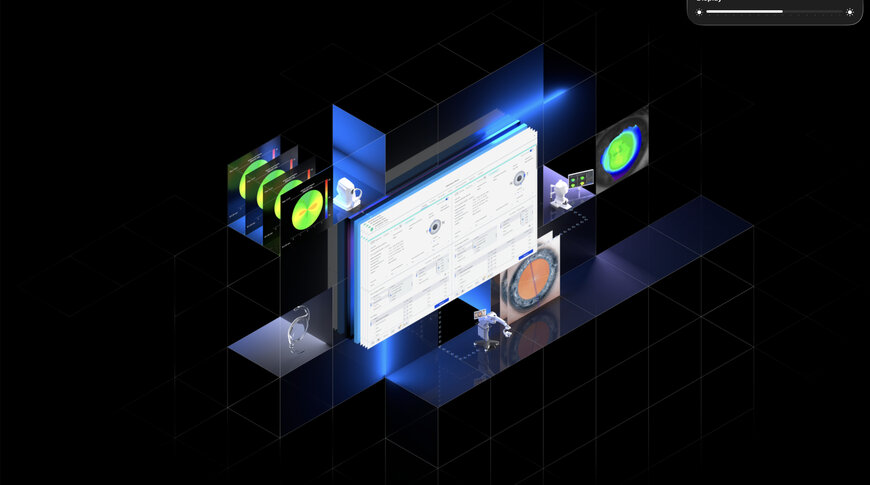
ZEISS Medical Technology will present its expanded portfolio of digital ophthalmic workflows for cataract, corneal refractive, and retinal procedures at the European Society of Cataract and Refractive Surgeons (ESCRS) congress in London, from September 11 to 14 at booth C.100. These innovations integrate cloud-based surgical planning systems, femtosecond laser platforms, and novel intraocular lenses to support data-driven clinical care and minimize manual data transcription.
Bitoric Hydrophobic Monofocal IOL for Astigmatism Correction
ZEISS will introduce the AT LUCIA toric 721P IOL, engineered as the first bitoric hydrophobic monofocal intraocular lens to incorporate a patented non-constant asphericity profile design. This geometry allows the lens to treat cataracts while simultaneously correcting astigmatism. The non-constant aspheric profile and bitoric structure enhance physical stability within the capsular bag and improve the predictability of postoperative visual outcomes by optimizing rotational holding. During the ESCRS congress, ZEISS will host clinical discussions with surgeons from Spain, China, the United Kingdom, South Korea, and Switzerland to review early implantation data and the clinical mechanisms behind these specific IOL technologies.
Cataract Surgical Systems and Cloud-Based Planning Integration
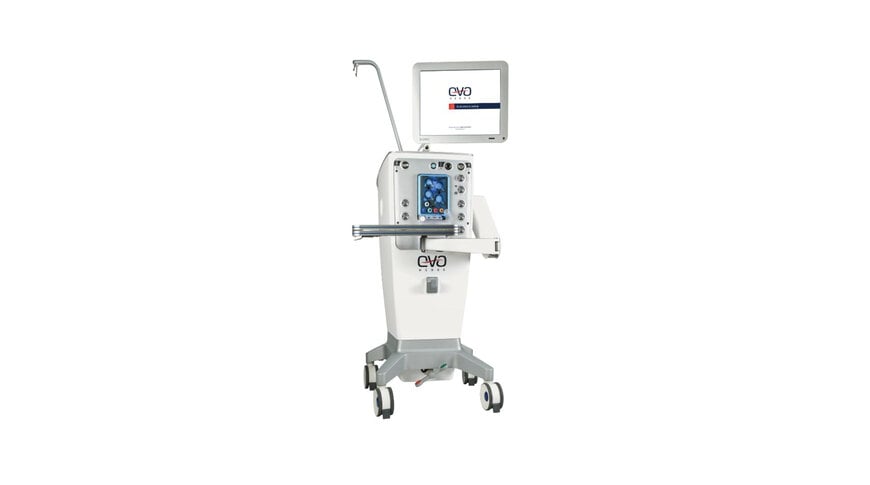
The DORC EVA NEXUS ophthalmic surgical system has been released in a cataract-only configuration designed to integrate directly into the ZEISS Cataract Workflow. The system features a cataract grade selection function that provides up to four programmable pre-sets. This enables surgeons to apply optimized phacoemulsification, aspiration, and irrigation settings via a footswitch or screen based on the specific surgical step and cataract density.
Furthermore, ZEISS is launching the ZEISS Surgery Planner, a cloud-based digital system for cataract surgery modeled on the VERACITY planning solution, which has processed over 3 million cases in the United States. Releasing in select markets, including Australia, Brazil, Germany, and Spain, in the fall of 2026, the ZEISS Surgery Planner connects a clinic's electronic medical records (EMR) directly to the operating room (OR). In conjunction with the ZEISS Data Analyzer, the platform automates IOL calculations and facilitates staff collaboration. By utilizing a connected digital interface, the planner eliminates manual coordination and minimizes the risk of transcription errors, driving cost efficiency and data-driven clinical outcomes.

Femtosecond Laser Incisions and Diagnostic Expansion
Within the corneal refractive workflow, ZEISS has released a software update for the VISUMAX 800 femtosecond laser in CE-marked markets. This update introduces a feature for arcuate incisions, expanding the surgical applications of the laser vision correction portfolio. It also incorporates the CentraLign auto centration system, an advanced assistant tool that automates the lateral movement of the device. This mechanism supports precise eye centration before docking, facilitating a smoother and more controlled surgical process. Additionally, ZEISS will preview upcoming additions to its retinal diagnostics portfolio designed to complement the CIRRUS OCT system for multimodal retinal imaging. The company will also introduce a virtual reality (VR) perimetry testing module to supplement HFA visual field analysis in comprehensive glaucoma diagnostics.
Additional Context:
This section details technical specifications and competitive benchmarking not included in the original product announcement
In the digital ophthalmic workflow market, cloud-based surgical planners are benchmarked on their ability to connect diagnostic biometry with operating room equipment to reduce manual data entry errors. Competitors such as Alcon with its SMARTCataract platform provide similar cloud-based integration that automates IOL power calculations by linking clinic data directly to surgical devices. The ZEISS Surgery Planner addresses this baseline by leveraging the proven VERACITY architecture, which has successfully planned over 3 million cases, to synchronize EMR data with OR systems. In the intraocular lens segment, hydrophobic acrylic toric lenses like the Johnson & Johnson TECNIS Toric and various Alcon models utilize standard aspheric and toric designs to correct astigmatism. The ZEISS AT LUCIA toric 721P differentiates itself through a patented non-constant asphericity profile designed specifically to enhance contrast sensitivity and maximize rotational stability within the capsular bag following implantation.
Edited by Natania Lyngdoh, Induportals editor, assisted by AI.
www.zeiss.com

