
www.medical-devices.tech
15
'26
Written on Modified on
Digital Ophthalmic Visualization & Ultrasound-Free Lens Extraction Approved for Mexico
ZEISS expands ophthalmic surgical workflows in Mexico with regulatory approval for integrated cataract surgery technologies.
www.zeiss.com
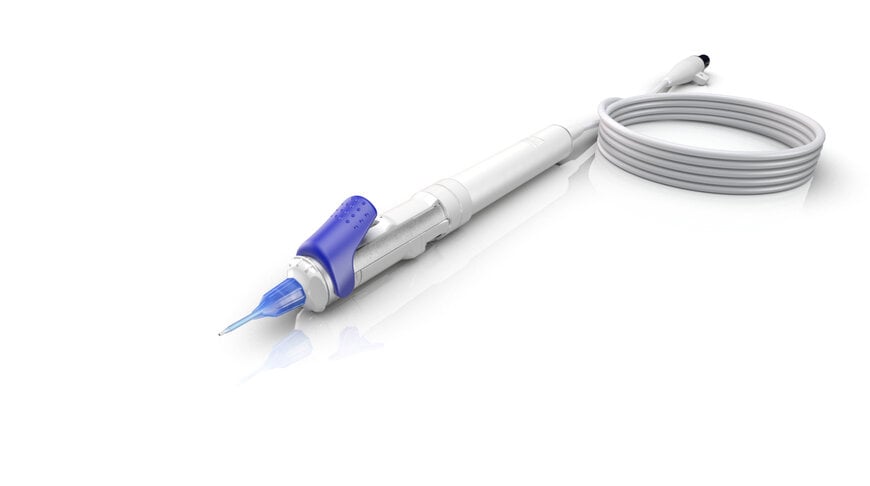
ZEISS Medical Technology has received approval from Mexico’s Comisión Federal para la Protección contra Riesgos Sanitarios (COFEPRIS) for the ARTEVO 850 ophthalmic microscope and MICOR 700 lens extraction device. Both technologies integrate with ZEISS cataract workflows and target improvements in surgical visualization, operating room efficiency and cataract procedure workflows. The systems will be presented at booth A1 during the XXXVIII Mexican Congress of Ophthalmology in Monterrey, Mexico, from May 30 to June 3, 2026.
Regulatory Approval Expands Access to Digital Cataract Surgery Workflows
The approval introduces two ophthalmic surgical technologies into the Mexican market: the ARTEVO 850 digital ophthalmic microscope and the MICOR 700 lens removal device. Both systems are designed to operate within ZEISS’s integrated ophthalmic workflow ecosystem, enabling digital transfer of surgical and patient data between connected technologies.
3D Surgical Visualization and Workflow Integration in Ophthalmology
The ARTEVO 850 is a 3D digital ophthalmic microscope featuring dual 4K cameras and a 55-inch HDR monitor. The system incorporates Smart Depth of Field technology, allowing surgeons to adjust depth settings during procedures and increasing depth of field by up to 60 percent compared with the previous ARTEVO 800 generation while maintaining perceived brightness. Reduced refocusing requirements may improve procedural continuity during anterior and posterior segment surgery.
The microscope also integrates Digital Color Assistant technology for anatomical contrast enhancement, RGB LED illumination adjustable between 3000 K and 6000 K, and Digital Image Boost providing up to 30 percent higher magnification under specified conditions.
Digital integration into ZEISS ophthalmic workflows enables transfer of pre-operative and intraoperative data and supports features including markerless toric intraocular lens alignment using reference image matching. The redesigned CALLISTO eye interface centralizes controls through a touchscreen workflow.
Ultrasound-Free Lens Extraction for Cataract Procedures
The MICOR 700 is described by ZEISS as the first handheld lens extraction device operating without ultrasound. The system uses the company’s non-ultrasonic lens extraction procedure, intended to increase intraocular working space during cataract surgery while reducing risk to surrounding ocular structures.
Unlike conventional phacoemulsification systems that fragment cataracts using ultrasonic energy, the MICOR 700 employs an alternative extraction approach intended to minimize thermal and mechanical effects on adjacent tissue. The device features a blunt-tip geometry with rounded edges designed to reduce tissue damage risk during intraocular procedures.
The system also incorporates a disposable plug-and-play configuration intended to reduce operating room footprint and simplify preparation workflows between procedures.
Implications for Cataract Surgery Efficiency
Demand for digital surgical workflows in ophthalmology has increased as providers seek greater integration between visualization, patient management and procedural guidance systems. Combining advanced visualization with workflow integration and alternative lens extraction methods may reduce manual process steps during cataract procedures. However, clinical outcomes depend on surgeon experience, procedural protocols and patient-specific factors.
Additional Context: This section details technical specifications and competitive benchmarking not included in the original product announcement
The ARTEVO 850 competes within the digital ophthalmic microscope category alongside systems such as the Alcon NGENUITY 3D Visualization System and ophthalmic surgical visualization platforms from other manufacturers. Accepted comparison criteria include depth of field, display resolution, integration with surgical planning systems and intraoperative visualization features. The ARTEVO 850 specifies up to 60 percent greater depth of field relative to the ARTEVO 800 generation and integrates with broader digital cataract workflows, though direct cross-manufacturer comparisons are limited because standardized depth-of-field benchmarks are not consistently reported.
For cataract extraction systems, accepted benchmarks typically include incision size, ultrasound energy use, tissue effects and procedure efficiency. The MICOR 700 differentiates itself through ultrasound-free operation; however, objective one-to-one comparisons against conventional phacoemulsification systems require published comparative clinical datasets, which were not identified in the available information. Under those conditions, direct performance benchmarking cannot be established reliably and additional comparison would be speculative.
Edited by Natania Lyngdoh, Induportals Editor, assisted by AI.
www.zeiss.com

