
www.medical-devices.tech
10
'25
Written on Modified on
New cyclotron can help advance precision diagnosis and treatment of chronic diseases
The GE HealthCare PETtrace 890 cyclotron will enable on-site production of radiotracers - the radioactive compounds essential for PET imaging and theranostic applications - - for diagnosis of serious conditions including cancer and heart disease.
www.gehealthcare.com
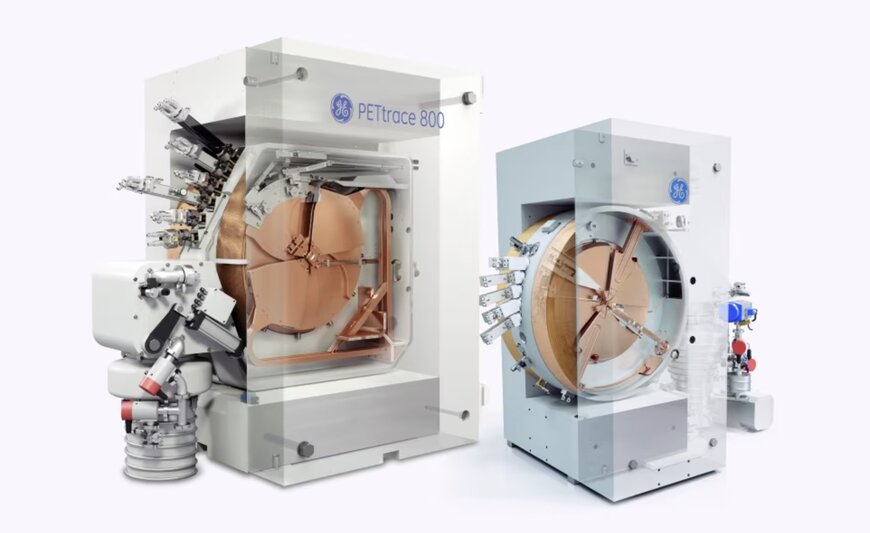
GE HealthCare in collaboration with the University of Oklahoma (OU) and Cyclomedical International, announced a new cyclotron to be installed at the OU Health campus, marking a transformative step forward in precision medicine, theranostics, and radiopharmaceutical innovation in the region.
The GE HealthCare PETtrace 890 cyclotron will enable on-site production of radiotracers - the radioactive compounds essential for PET imaging and theranostic applications - for diagnosis of serious conditions including cancer and heart disease, and evaluation of neurodegenerative diseases including Alzheimer’s.
“Unlike most imaging modalities, PET can visualize physiological processes throughout the body with one radiopharmaceutical injection,” said Wendy Galbraith, Pharm.D., clinical associate professor at the OU College of Pharmacy. “This cyclotron will allow onsite production of imaging radioisotopes used to detect cancer, monitor treatment effectiveness, and offer investigational products in clinical trials that were previously unavailable.”
The cyclotron uses powerful particle acceleration to nearly one-fifth the speed of light to ultimately produce radiotracers that are administered to the patient and imaged on PET scans. This enables detection of disease at the molecular level and, in theranostic applications, to deliver targeted treatments directly to cancer cells.
“Cyclotrons are central to the future of precision health,” said Larry Biscotti, president, U.S. & Canada Imaging, GE HealthCare. “By enabling on-demand production of radiopharmaceuticals, we’re helping clinicians deliver efficient, accurate diagnoses and personalized treatments.”
The increasing prevalence of chronic diseases has significantly increased the demand for advanced diagnostic imaging techniques such as PET imaging, which utilize radioactive tracers. With higher demand for emerging therapies impacting the supply available for basic diagnostic PET scans, OU’s onsite cyclotron will help significantly expand access to molecular imaging and personalized therapies for patients across Oklahoma and the surrounding region.
“With this new cyclotron and the treatments we can offer, patients will have the choice to stay in Oklahoma for care instead of traveling out of state and away from their families and support groups,” Galbraith added.
OU’s cyclotron facility, with project consulting and production operations management by Cyclomedical, also strengthens the academic health center’s mission by supporting education, research, and patient care. Students and residents across disciplines will gain hands-on experience with this technology, preparing them to lead in the evolving field of nuclear medicine.
GE HealthCare’s cyclotron solutions are engineered to support both clinical and research needs, ensuring a reliable, cost-effective supply of radiopharmaceuticals. This installation reflects a growing trend in healthcare toward localized production of diagnostic and therapeutic agents, helping reduce treatment delays.
www.gehealthcare.com

